
Bad North: Jotunn Edition
Raw FuryStrategy
4.41.20K Reviews
- Version
- 2.00.22
- Installs
- 100.00K
- Age Rating
- Teen
Screenshots
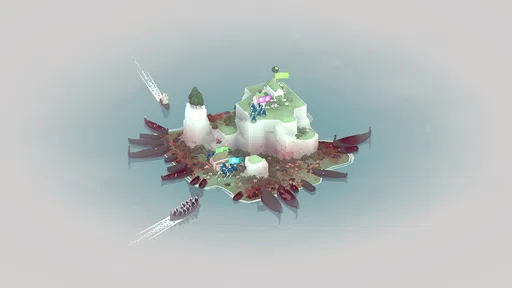
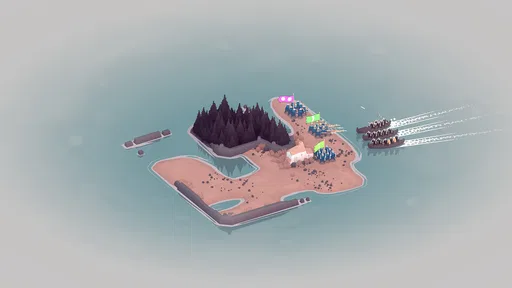
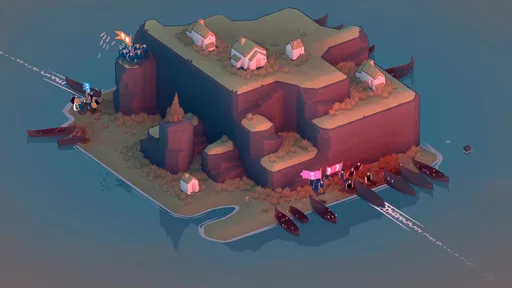
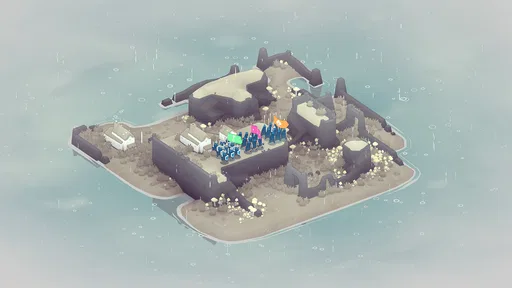
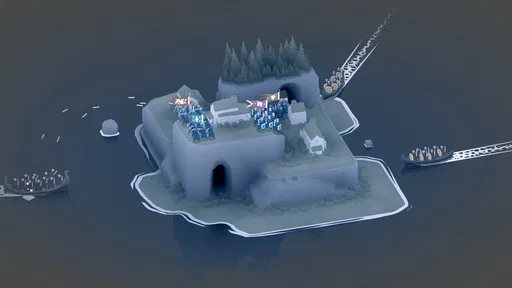
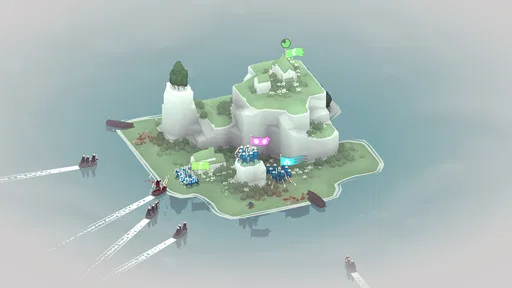
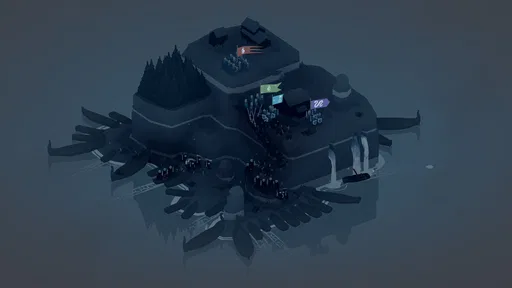
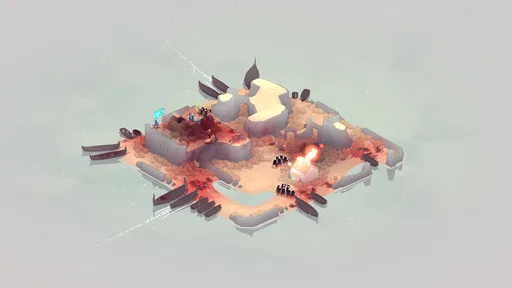
Our Review of Bad North: Jotunn Edition
 Analysis by Appyee
I enjoyed Bad North: Jotunn Edition most when I treated each island as a small tactical puzzle rather than a battle to win by charging straight in. It is a strategy game from Raw Fury, built around defending scattered islands from Viking attacks. The clean presentation makes the situation easy to read, but the decisions can turn tense quickly: where to place a squad, which approach to cover, and how much risk to accept when a landing is already underway.
The game is a paid download, listed at $3.99, rather than a free-to-play game with an entry price of zero. That makes the value question refreshingly direct: you are deciding whether this focused strategy experience is worth a single purchase. It has a 4.4 average from around 9,700 ratings, and more than 100,000 installs. Those figures suggest it has found an audience, but they do not tell you whether its particular mix of short tactical decisions and lasting consequences suits you.
What the price is buying
In my view, the strongest case for paying is that the central idea is unusually easy to understand without feeling shallow. You do not need to learn a sprawling menu of systems before a battle starts. Instead, the game asks you to read the island, position your troops, and react as enemies arrive. The hand-crafted look and small scale help make those choices the focus rather than burying them under layers of interface.
That clarity is useful on a phone. I can imagine opening it when I have a little time to think, making a few tactical decisions, and putting it down once I reach a natural stopping point. It is not trying to be a giant strategy campaign full of administration. If that compact, hands-on approach is what you want, the asking price feels easier to justify than it would for someone expecting a vast, endlessly unfolding simulation.
A Unique Blend of Strategy and Charm
From the moment you start playing Bad North: Jotunn Edition, you’ll notice its beautifully minimalist art style. The game doesn’t bombard you with complex graphics, but rather, it enchants you with its simplicity. This isn’t just about looks, though; the gameplay itself is refreshingly straightforward yet deeply strategic.
In this game, you take command of small island kingdoms under siege by Viking invaders. Your task? Defend them at all costs. Sounds easy, right? But don’t be fooled! The islands vary in shape, size, and complexity, requiring you to think on your feet and adapt your strategies constantly.
Gameplay Mechanics: Simple yet Deep
One of the things I love about Bad North is its intuitive controls. Moving your troops and planning your defenses is a breeze, making it accessible for both casual gamers and seasoned strategists. But here’s the catch: every decision counts. You have to place your units wisely, anticipate enemy movements, and make quick calls under pressure. It’s all about finding that sweet spot between risk and reward.
The game’s roguelike elements add another layer of excitement. As you progress, you’ll unlock new commanders and abilities, but remember, once they’re gone, they’re gone for good. This permanent loss mechanic keeps you on your toes and makes every victory feel incredibly satisfying.
Decisions that matter between battles
The most useful habit I picked up was to pause mentally before committing a squad to one side of an island. A unit that looks ideally placed for the first landing may be badly positioned for the next threat, so I try to keep an escape route or a second defensive option in mind. That small bit of restraint matters more than trying to react at the last possible second.
It also helps to think about each island as a set of approaches rather than a single front line. A narrow route can make a small force feel effective, while a more open layout can expose the limits of a plan that worked well on the previous map. The changing terrain is not just visual variety; it asks me to reassess my assumptions instead of repeating one favorite formation every time.
The persistent consequences make that planning personal. Losing a commander is not merely a poor score at the end of a round; it changes the choices I have available later. I therefore treat a risky defense differently when a unit’s survival matters to my wider run. This is a trade-off rather than a flaw: the pressure creates memorable victories, but anyone who wants every attempt to feel disposable may find the stakes more frustrating than exciting.
How it fits a real day
For a realistic everyday session, I would start a run while waiting for a meal to finish or during a quiet break, then stop after a battle or another clear pause. The tactical choices make it engaging in short stretches, but I would not recommend opening it when you need to divide attention between the game and a conversation or task. When a landing is in progress, even a brief distraction can make a carefully prepared defense feel suddenly messy.
It is also a better match for someone who enjoys learning through failure than for a player who wants guaranteed progress every time they sit down. If a plan falls apart, I find the useful question is not simply “What went wrong?” but “Which assumption did I carry over from the last island?” That makes a failed attempt feel instructive, though it does not remove the sting of losing a valuable commander.
The Soundtrack: A Perfect Companion
Let’s talk about the soundtrack for a second. The hauntingly beautiful music is more than just background noise; it’s an integral part of the experience. It perfectly complements the game’s atmosphere, drawing you deeper into its world. Honestly, sometimes I find myself just pausing to appreciate the music.
Where it sits among strategy games
Compared with the usual strategy alternatives, this feels closer to a compact tactical defense game than to a grand strategy title. I would choose a larger management-heavy strategy game if I wanted to plan economies, manage a broad map, or spend most of my time preparing long-term campaigns. Here, the appeal is the immediate problem: an island, a limited force, and a threat that demands a response.
It also differs from games built around constant construction or endless waves. The focus is on positioning and reacting to the shape of a particular battlefield, with the campaign’s persistent losses making each choice carry forward. That focused scope is a strength when I want decisions without a long setup, but it is a limitation if I want a large sandbox, extensive customization, or a relaxed experience where mistakes have little consequence.
For a phone player wondering whether the controls make tactical play manageable, I found the basic act of moving troops and organizing a defense straightforward. The harder part is not operating the game but judging when a position is safe enough and when it is time to adjust. That distinction makes it approachable without making it effortless: newcomers can understand what to do, while experience still matters in deciding what to do next.
Immersive Yet Relaxing
Despite the strategic intensity, there’s something oddly calming about Bad North. Maybe it’s the serene island settings or the gentle waves crashing against the shore, but the game manages to balance tension with tranquility. It’s a rare quality that makes it perfect for unwinding after a long day.
That calm has an important exception: the visuals and music can feel soothing while the decisions remain unforgiving. I would not call it a no-pressure comfort game. If I want something I can play while barely paying attention, I would pick a gentler option; if I want a quiet-looking game that still gives me a reason to stay alert, this balance works well.
For someone buying it as a first strategy game, the straightforward presentation is inviting, but I would go in expecting to learn from setbacks. The Teen rating is a useful part of the buying picture for families, though adults should still decide whether the tactical pressure and permanent losses suit the player they have in mind. The game is best for people who enjoy thoughtful choices, not for anyone looking for a purely passive way to unwind.
Practical buying details
Bad North: Jotunn Edition is rated Teen and was released on October 16, 2019. Its current version is 2.00.22, and it requires Android 8.0 or later. Those details are worth checking against your device before buying, especially if you are using an older phone or tablet. Raw Fury is the developer, and the game’s paid format means the decision is about the upfront purchase rather than whether to begin with free access.
I would not use the rating or install total as a substitute for deciding whether the design fits you. A strong audience response can reassure a hesitant buyer, but it cannot make permanent losses enjoyable for someone who dislikes them. Likewise, the price may feel modest to one player and poor value to another depending on how much they want a focused, repeatable tactical challenge rather than a broad collection of modes or systems.
One practical way to judge the purchase is to ask what you normally do with a strategy game. If you like replaying a difficult encounter to understand the terrain and refine a defense, this offers a clear reason to return. If you usually abandon games after one setback, or want progress that never risks being undone, I would think twice. Its value comes from the decisions and the chance to improve, not from a promise that every run will go smoothly.
Replayability without busywork
And let’s not forget the replayability factor. Each playthrough offers new challenges and strategies, keeping the game fresh and engaging. You’ll find yourself coming back time and time again, eager to improve your tactics and conquer those pesky Vikings once and for all.
For me, replay value here depends less on collecting a long checklist and more on whether I enjoy adapting. A new island layout can make a familiar defensive instinct unreliable, which gives a repeat attempt a practical purpose: test a different placement, preserve a unit, or avoid the risk that ended a previous run. That kind of variety is satisfying when I like sharpening a plan, but it will not replace a large campaign for someone who measures value mainly by breadth of content.
That distinction is worth considering before paying. I would not buy this expecting a strategy game that keeps unfolding into a sprawling management project. I would buy it for quick-to-read tactical situations whose outcomes matter beyond the moment. The distinction is small in a store blurb but important in practice: one kind of player wants more systems, while another wants a compact challenge that makes each decision feel consequential.
Who is likely to get the most from it?
I would recommend it to players who enjoy tactical defense, can accept that a good plan may still fail, and like adjusting their approach to a map instead of relying on one routine. It is also a sensible pick for someone who wants a strategy game that is visually calm and relatively direct to understand. The combination of approachable controls and meaningful risk gives experienced players something to refine without making the basic premise hard to grasp.
I would skip it if you want a free game to sample before spending, since this is a paid download, or if you need a low-stakes game that rewards switching off your attention. I would also look elsewhere if your favorite part of strategy games is building an economy, customizing a large force, or directing a huge campaign. Those preferences are not wrong; they simply point toward a broader or more management-focused alternative than this island-defense format.
If you are unsure, consider whether the idea of losing a commander makes you curious about playing more carefully or makes you want to quit. That reaction is a better guide than the attractive scenery. The game’s strongest moments come when the stakes encourage a clever adjustment; its weakest fit is for someone who sees those stakes as an irritating obstacle rather than the reason to stay engaged.
Conclusion: A Must-Try Experience
In a world saturated with countless games, Bad North: Jotunn Edition stands out as a gem that combines beautiful simplicity with deep strategic gameplay. It’s a game that doesn’t just demand your attention but rewards it with a truly unique experience.
If you’re looking for a game that’s easy to pick up but hard to put down, give Bad North a try. Whether you’re a hardcore strategy enthusiast or just someone looking for a new adventure, this game offers something special for everyone. So, what are you waiting for? Grab your device, head to your app store, and let the battle begin!
Verdict
Strengths of Bad North: Jotunn Edition
- Intuitive controls make it easy to play.
- Beautiful minimalist graphics enhance immersion.
- Challenging AI offers a rewarding experience.
- Quick sessions perfect for short gameplay bursts.
- Dynamic weather effects add realism.
Limitations of Bad North: Jotunn Edition
- Limited unit types reduce strategic depth.
- Lack of a detailed tutorial for beginners.
- Repetitive gameplay may bore some players.
- No multiplayer mode for competitive play.
- Occasional performance issues on older devices.
Other Releases by Raw Fury
View All
Townscaper
Casual4.0
Similar Picks in This Category
View All
Clash of Clans
Supercell4.5

Plants vs. Zombies™
ELECTRONIC ARTS3.7

Lords Mobile: Kingdom Wars
IGG.COM4.5

Clash Royale
Supercell4.4

State.io — Conquer the World
CASUAL AZUR GAMES4.1

Car Driving School : Car Games
Spark Game Studios3.9
Frequently Asked Questions
What is the main objective of Bad North: Jotunn Edition?
In Bad North: Jotunn Edition, your primary goal is to defend your island kingdom from waves of Viking invaders. You must strategically position your troops and make tactical decisions to protect your people and fortify your defenses across procedurally generated islands, ensuring survival and ultimate victory.
Is Bad North: Jotunn Edition suitable for casual gamers?
Yes, Bad North: Jotunn Edition is highly accessible to casual gamers due to its intuitive controls and charming minimalist design. However, it also offers depth for those seeking a challenge, as the difficulty scales with progression, requiring strategic thinking and tactical planning to succeed.
Does the game offer multiplayer or co-op modes?
Bad North: Jotunn Edition is primarily a single-player experience. It focuses on delivering a captivating solo strategic challenge as you manage your defenses against the invading forces. Currently, there are no multiplayer or co-op modes available within the game.
What platforms is Bad North: Jotunn Edition available on?
Bad North: Jotunn Edition is available on multiple platforms, including Android and iOS devices. It's also accessible on PC, Nintendo Switch, PlayStation, and Xbox, allowing players to enjoy the game on their preferred platform with seamless gameplay across various devices.
Are there any in-app purchases or ads in the mobile version?
The mobile version of Bad North: Jotunn Edition is typically a one-time purchase, and it does not include in-app purchases or ads. This ensures an uninterrupted gaming experience, allowing players to fully immerse themselves in the strategic gameplay without distractions.
Play our best games!


